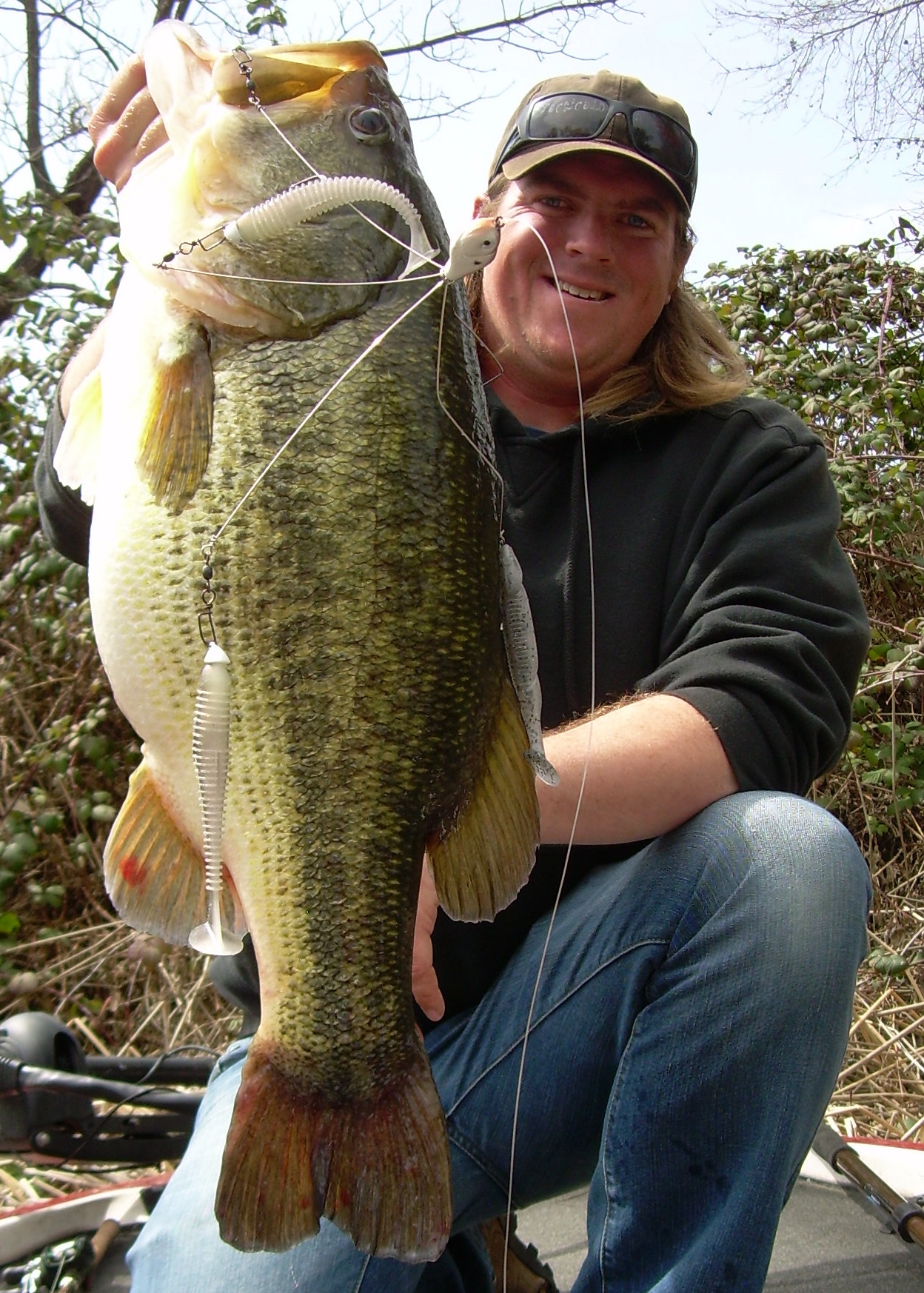
Top 5 Spring Search Baits

Despite the freezing temperatures in much of the country the West is seeing record highs. The bass are already moving to the shallows in anticipation of Spring and the bite is turning on. The transition from Winter to Spring is one of the best times of the year to target both quantity and quality of bass. Learning to cover water and locate fish is the key to success.

This week Tim and Matt break down the top 5 baits they use in the Spring to quickly locate and catch schools of bass. In no particular order they are:

1) Squarebill: The Squarebill is a great bait for covering water and triggering reaction strikes from early-season bass. It can be fished in heavy cover but can also be ripped through grass, much like a lipless bait, resulting in violent strikes. We've found the River2Sea Biggie and the Strike King KVD to both produce extremely well in the early season.

2) Spinnerbait: The whole concept of a spinnerbait is to imitate a fast moving, compact school of baitfish. This is a perfect profile to present as bass are bulking up for the spawn. When the water is murky the spinnerbait will outperform virtually every other reaction bait. Our two favorite are the Revenge (Try the Deep Runner with its small blades for a burning presentation) and the River2Sea Bling.

3) Jerkbait: In the West we call them Rip Baits but whatever you call them, they are deadly. A super slow retrieve in cold winter temps will give way to a fast, erratic retrieve as the bass start to spawn. Try the Staycee 90 as the bass are transitioning into the shallows and who could forget the Megabass Ito Vision 110? Throw the Ito whenever, wherever, its practically a fish magnet!

4) GlideBait: The Glidebait combines the benefits of the jerkbait with the drawing power of a big swimbait. These baits are the perfect transition bait to catch both numbers and size. Whether you're looking to win a tournament or catch the biggest bass of your life, you should have a glide bait ready to go this Spring. We throw the S-waver, GanCraft Jointed Claw, and the Slideswimmer. Look at your budget and take your pick, they've all produced GIANTS in the Spring!

5) Alabama Rig: Love it or hate it, its a producer! Rather than rambling about the A-rig we'll just point you back to The Alabama Rig Video

Whether you're wearing shorts and flip flops already or dreading shoveling the snow off the driveway again, Spring is coming. We hope these tips help you cover water quickly and find the biggest bass of your life. Good luck!
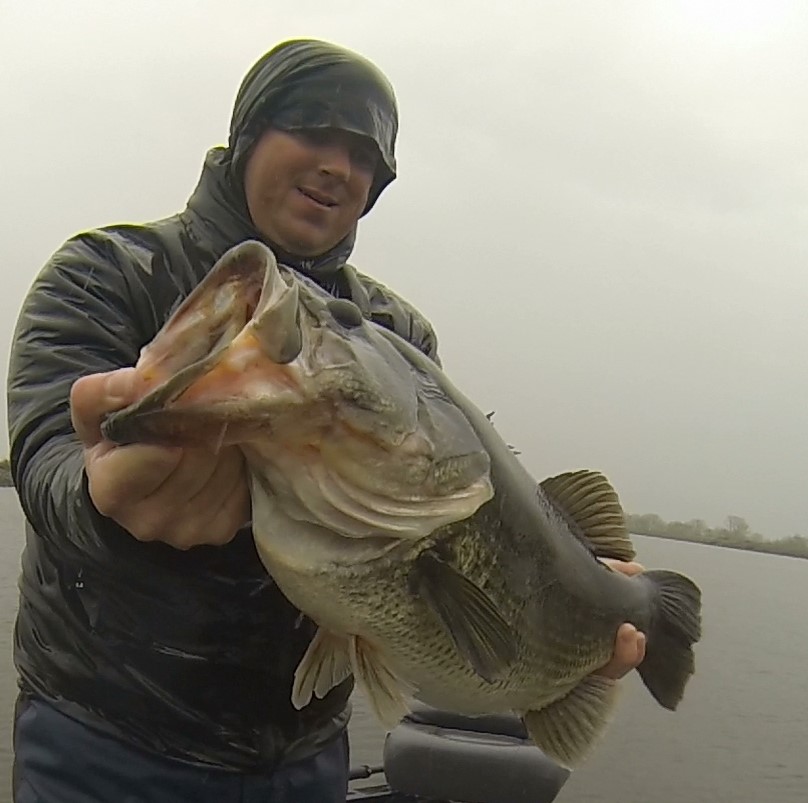
Big Delta Swimbait Fish

This week Tim and I took a break from all the work of filming and editing. Tim got to Spend some time with family and I went fun fishing. Despite the brutal wind/rain forecast I headed for the Delta to see if any of the early prespawn females were moving up to feed and was not disappointed!

Delta Hog (2).jpg

All too often anglers back themselves into a corner by continually fishing the same patterns with the same baits. When major weather events happen its a great time to get out and try new things. Often times the fish will move into the shallows to feed on whatever is being washed into the lake (or river). These shallow fish are an easy target. Even if they're not biting, they'll show themselves. If you pay attention while fishing reaction baits you might be able to catch them on a return visit.

This fish came on a bank I hadn't fished in years, with a bait (S-Waver 200) that I'd never thrown there before. The key to consistently catching giant bass, especially on multiple waterways, is to never stop searching. The Delta is constantly changing. The bass are shifting from one spot to the next, feeding on different food sources and its important you keep up with the changes to maximize your time on the water.

As Winter begins to turn to Spring, branch out, try new lakes, new spots, and new baits. This just might be the best year you've ever had!

Whats New with Alabama Rigs?

Love 'em or hate 'em the Alabama Rig is here to stay! Its been questioned, argued, bashed, and even banned... but the A-rig just keeps catching fish for the anglers that have stuck with it.

We thought it was time to revisit the Umbrella Rig now that all the dust has settled. We know you can't use it in most major tournaments but that doesn't stop you from prefishing, fun fishing, or trophy hunting with the rig. This week's video covers some of the changes that have come along as companies have fine-tuned their approach to this awesome technique.

The two biggest differences from rig to rig in today's market are blades vs. no blades, and the number of baits a rig can hold.

I don't think there is a right or wrong answer when it comes to these various options so you need to be prepared for every circumstance. The bladed rigs like the Yum Flash Mob or Flash mob junior seem to work best when the water is stained or you have overcast conditions. Once the skies and waters clear I prefer using a more finesse rig like the Boss "All wire" or Frenzy Baits Sniper.

If the fish have seen a lot of rigs it might be time to go custom. There are plenty of small manufactures making ultralight rigs with 6, 8, 10, and even 15+ baits on them. While this may seem excessive, if you're looking to fool the wariest of giants it might be worth considering.

The one part of the rig that we haven't changed our minds on at all is the hardware and baits. We're still using the Dirty Jigs Swimbait Head (usually 1/8 oz) and coupling it with either a 4.8 Keitech Fat Swing Impact or RI Skinny Dippers. The specifics of how we rig them is still the same as last year's video which you can see below.

We know this isn't a new topic but with all the changes and refinements that have been made to these rigs over the last few years we thought it was time to touch on the subject again. We hope this helps!

How to Back Reel

When the fishing gets tough many anglers turn to finesse tactics. While this increases their odds, it creates its own set of unique challenges. The most significant of which is learning to adapt to fighting big fish on light line.

The technology behind spinning reels has vastly improved in recent years but there is still room to fine tune your skills. One of the best ways to increase your odds at landing big fish on light tackle, is to back reel.

In this week's video, Tim finds himself fighting a 14 pound catfish. He was completely outgunned, armed with only a Stratic, Dobyns Spinning Rod, and 4 lb Line. Catfish are known for pulling hard, rolling in the line, and otherwise destroying tackle. Instead of letting the drag scream and hoping for the best, we flipped the camera on so Tim could walk you through how to back reel, why he's doing it, and how it can benefit you.

The biggest misunderstanding about back reeling is that your drag will be disabled. This simply isn't true, its still intact and working normally. When you're reeling in reverse there is no stress on the line but if a fish pulls harder than you can react to, the drag is still in place and will release line like usual. Really, you have nothing to lose and everything to gain so the next time you find yourself tied to a big fish, flip that little switch on your reel and give it a try!